
Your wedding isn’t just an event; it’s a story filled with meaningful characters, beautiful details, and unforgettable scenes. Your photos are how that story will be told for generations to come, and a wedding photography checklist is your script. It guides your photographer to capture not just the major plot points like the first kiss, but also the quiet, emotional subplots—a knowing glance from your mom, a shared laugh with your best friend, or the heirloom locket on your bouquet. This guide will help you craft a checklist that tells the full, authentic story of your day, from the first chapter to the very last.
Key Takeaways
- Communicate Your Vision, Don’t Dictate the Shots: Your checklist is a starting point for a conversation with your photographer. Use it to highlight your non-negotiable photos—like a portrait with a specific family member or a detail shot of an heirloom—so they can focus on what matters most while still capturing the day creatively.
- Plan for a Stress-Free Photo Experience: A successful photo session is planned in advance. Work with your photographer to create a realistic timeline with plenty of buffer room, and identify your venue’s best photo spots to make the most of the natural light.
- Embrace Spontaneity and Trust Your Photographer: While a plan is essential, the most memorable photos are often the unscripted ones. Once you’ve shared your priorities, trust your photographer’s artistic eye and allow yourself to be fully present. This balance ensures you get your must-have shots plus the beautiful, candid moments in between.
Your Wedding Photography Checklist: What It Is and Why It Matters
A wedding photography checklist is your game plan for photos. It’s a detailed list of all the specific shots and moments you want your photographer to capture on your big day. Think of it as a roadmap that guides your photographer, ensuring that from the tiniest details to the grandest moments, nothing gets missed. After months of planning, your wedding day will fly by in a beautiful blur. The flowers will wilt, the cake will be eaten, but your photos are the one thing you’ll have forever to remember every detail. That’s why this checklist matters so much. It’s not about micromanaging your photographer—it’s about communicating your vision so they can bring it to life. When you’ve spent so much time planning your wedding, this list is your insurance policy for memories. It helps organize the day, sets clear expectations with both your photographer and your family, and prevents any post-wedding regrets about a missed photo. It’s a simple tool that empowers you to be fully present and soak in every moment, confident that your photographer has a clear understanding of what’s most important to you. From the pre-ceremony jitters to the last dance, a checklist helps tell the complete, beautiful story of your day.
Capture Every Moment
The main goal of your checklist is to capture the real feelings and connections that make your wedding unique. It’s easy to remember the big events like the first kiss or cutting the cake, but what about the smaller, heartfelt moments? Maybe it’s a photo of your grandmother’s heirloom earrings, the look on your partner’s face during the first look, or a candid shot of your friends laughing during the reception. These are the memories that truly tell your story. A shot list ensures these personal details aren’t overlooked in the whirlwind of the day. By listing them out, you’re creating a visual narrative of every chapter of your celebration.
Align with Your Photographer
Your photographer is an artist, but they aren’t a mind reader. Sharing a detailed photo list is the best way to get on the same page. Before the wedding, sit down and discuss your list with your photographer to highlight your absolute must-have shots. This conversation helps them understand your priorities and plan their timeline accordingly. For example, if family portraits are incredibly important to you, they’ll know to allocate enough time for them. This collaboration ensures they can focus their creative energy on capturing the moments that matter most to you, blending their professional expertise with your personal vision for a truly perfect gallery.
Enjoy a Stress-Free Day
On your wedding day, the last thing you want to be doing is directing traffic for photos. A checklist helps the day run smoothly so you can simply relax and be present. When your photographer has a clear plan, they can efficiently gather people for group shots and capture key moments without constantly interrupting you. However, the list should be a helpful guide, not a strict set of rules. Trust your photographer’s expertise. If they are constantly checking a long list, they might miss the beautiful, unplanned moments that often become the most cherished photos. A good balance allows for structure while leaving room for spontaneity, giving you the best of both worlds and a stress-free photo experience.
Must-Have Pre-Ceremony Photos
The hours before your ceremony are filled with a unique blend of quiet anticipation and joyful chaos. These moments are just as important as the main event, and capturing them sets the stage for your entire wedding story. Think of it as the opening scene of your favorite movie—it draws you in and builds excitement for everything to come. From the final touches on your hair and makeup to the intimate moments with your closest friends and family, pre-ceremony photos preserve the genuine emotions and beautiful details that lead up to you saying “I do.” These are the pictures that will remind you of the butterflies, the laughter, and the calm before the wonderful whirlwind of your wedding day.
Getting Ready
This is where your story begins. The getting-ready photos capture the transformation and the heartfelt interactions with your inner circle. Ask your photographer to document the bride and bridesmaids during hair and makeup, the moment your mom or maid of honor helps you into your dress, and those final accessory adjustments. Don’t forget to get full-length portraits of both the bride and groom once they’re ready. Group photos with your parents and the wedding party are a must, but so are the candid shots—the shared laughter, the happy tears, and the quiet, reflective moments that happen in between. These images beautifully document the preparation for your big day.
The Details: Rings, Dress, and More
So much thought goes into choosing the little things that make your wedding uniquely yours. Make sure your photographer captures these significant details. This includes artistic shots of your wedding rings, the invitation suite, your shoes, jewelry, bouquets, and boutonnieres. These photos add a rich, textural layer to your wedding album, weaving together all the elements you so carefully selected. A complete wedding photography shot list will always emphasize these items because they help tell the full story of your day, from the overall theme down to the smallest, most personal touches. These are the images that add depth and context to your memories.
The First Look
If you choose to have one, the first look is an incredibly intimate and emotional moment that you’ll want to relive forever. This is a private reveal where you and your partner see each other for the first time before the ceremony. Key shots include the groom waiting in anticipation, the bride walking toward him, and, of course, both of your reactions. Your photographer will capture the raw emotion—the surprise, the joy, the tears—as well as the hugs, kisses, and sweet close-up moments that follow. It’s a beautiful opportunity to connect and calm any nerves before you walk down the aisle, and the photos are always priceless.
Key Ceremony Moments to Capture
The ceremony is the heart of your wedding day. It’s the whole reason everyone is gathered together, and the emotions are running at an all-time high. While every part of it is special, a few key moments are absolutely essential to capture. These are the images that will tell the story of your commitment and become the cornerstones of your wedding album. Think of them as the pivotal scenes in the movie of your day.
From the anticipation of the processional to the triumphant exit as a married couple, these photos are packed with genuine feeling. Our lakefront ceremony sites provide a stunning natural backdrop for these moments, ensuring every tear, smile, and embrace is framed beautifully. When you look back at these pictures, you’ll be transported right back to the feeling of standing there, ready to start your new life together.
Walking Down the Aisle
This is so much more than just a walk. It’s a sequence of powerful moments that deserve to be captured from multiple angles. The first shot is the grand reveal as the doors open. Then, there’s the photo of the walk itself, focusing on the bride or groom and their escort. But just as important is the reaction shot—the look on your partner’s face when they see you for the first time. It’s pure, unfiltered emotion. A great photographer will also capture the expressions of parents and close friends, adding another layer of heart to the story.
Exchanging Vows and Rings
This is the core of your ceremony, where you make your promises to one another. Your photographer should be ready to capture the intimacy of this exchange. This includes close-up shots of your hands as you place the rings on, and tight shots of your faces as you recite your vows. These photos should reflect the gravity and tenderness of the moment. Whether you write personal vows or use traditional ones, the emotion in your eyes says everything. A wider shot that includes your officiant and the beautiful setting will also help capture the complete scene of your commitment.
The First Kiss
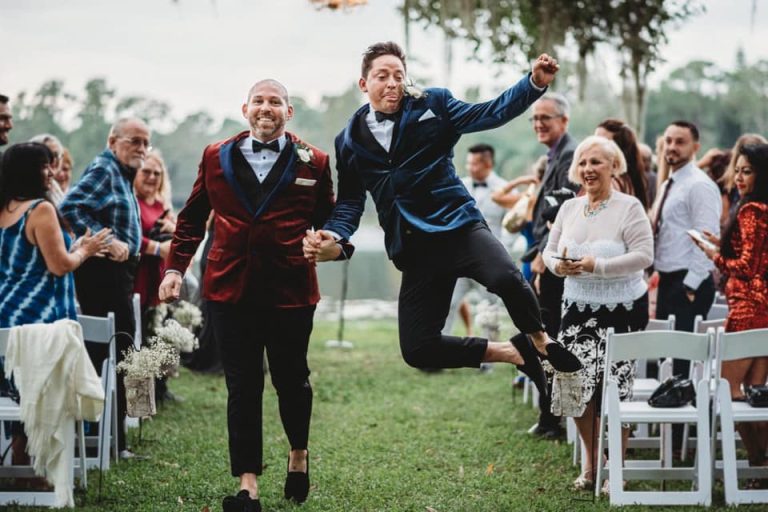
It’s the moment everyone has been waiting for! The first kiss is the exclamation point on your ceremony, a joyful and celebratory peak. This is a fast, spontaneous moment, so your photographer needs to be in position and ready to capture it perfectly. It’s a classic shot that symbolizes the beginning of your marriage. Don’t forget about the moment immediately after, when you turn to face your guests as a newly married couple. The pure happiness and excitement as you walk back down the aisle, hand in hand, often results in some of the most genuine and radiant photos of the entire day.
How to Plan Your Family and Group Photos
Family and group photos are the heirlooms of your wedding day—the pictures that will be framed on mantels for decades to come. But wrangling everyone for these shots can feel like herding cats if you don’t have a plan. The key to a smooth, stress-free photo session is creating a detailed shot list ahead of time. This isn’t just for your photographer; it’s for you. By deciding on the exact groupings you want, you can hand off the list and simply enjoy the moment.
Think about the flow of your day and when it makes the most sense to gather everyone. Many couples choose to do this right after the ceremony, since all your guests are already in one place. At The Barn at Crescent Lake, we have so many stunning natural backdrops that are perfect for these portraits, from the ancient oaks to the serene lakefront. Work with your photographer to pick a spot with great light that can accommodate your group sizes. By planning these photos thoughtfully, you’ll get beautiful portraits without missing too much of your cocktail hour.
Immediate Family
Your immediate family photos are some of the most important of the day. These are the people who have been by your side from the very beginning, and capturing these combinations is essential. To make sure you don’t miss anyone, it’s a great idea to ask your mom and your partner’s mom for their input on family groupings, as they often know which shots will mean the most to everyone. Create a specific list that includes every combination, such as you and your partner with each set of parents, with both sets of parents together, and with your siblings. This ensures your photographer can move through the list efficiently, calling out names and keeping everything on track.
Extended Family
Getting photos with your extended family is a wonderful way to honor aunts, uncles, cousins, and grandparents, but it requires a bit of coordination. Remember that everything on a wedding day takes longer than you think, and group photos are no exception. To keep things from feeling rushed, be realistic about how many large group shots you want. It’s often better to get one fantastic photo with each side of the family than to try and organize dozens of smaller groupings. Give your extended family a heads-up about when and where these photos will happen so no one wanders off to the bar right when you need them. A little communication goes a long way in making sure these special photos happen smoothly.
The Wedding Party
Your wedding party is your chosen family, and the photos you take with them should capture the joy and friendship you all share. Plan for a mix of classic and candid shots to really reflect your relationships. Your list should include the essential combinations: the two of you with the entire wedding party, each of you with your respective bridesmaids or groomsmen, and individual shots with your maid of honor and best man. These are the people who have supported you on your journey to this day, and having a clear plan ensures you’ll get beautiful, fun photos that celebrate those bonds. You can see examples of these moments in our wedding gallery.
Essential Reception Photos
The reception is where the party begins! It’s a time for celebration and making memories with your favorite people. Your photographer’s job is to capture the energy of the evening, from your big entrance to your final send-off. A good shot list ensures you won’t miss a thing. Here are the essential reception moments to include on your checklist.
Grand Entrance and First Dance
Your grand entrance as a married couple sets the tone for the party, so make sure your photographer is ready to capture that excitement. The first dance is another iconic, romantic moment. Whether you’ve rehearsed a full routine or plan to simply sway together, it’s a beautiful memory to preserve. Don’t forget the equally emotional parent dances—the father-daughter and mother-son dances are always tear-jerkers. These photos, along with shots of your guests enjoying the music, will tell the story of an amazing celebration.
Cake Cutting and Traditions
Some wedding traditions are classics for a reason—they’re fun and make for fantastic photos. The cake cutting is a sweet moment symbolizing your first shared task as a married couple. Whether you go for a delicate bite or a playful smash, it’s a must-have shot. Other key traditions include the bouquet toss, which always gets great reactions from the crowd. Finally, plan a memorable grand exit. Running through sparklers or driving off in a vintage car is the perfect final shot to cap off your unforgettable wedding day.
Candid Moments and Guest Shots
While the big events are important, the small, unscripted moments are often the ones you’ll treasure most. These photos capture the true spirit of your day—your best friend’s roaring laugh, a quiet hug with your grandma, or the two of you stealing a glance across the room. The best way to get these shots is to simply be present and enjoy your party. Great candid wedding photography happens when you’re relaxed, allowing your photographer to capture genuine interactions and the pure joy of everyone celebrating with you.
How to Share Your Vision with Your Photographer
Your wedding photographer is more than just a vendor; they’re the artist tasked with telling the story of your day. While you hired them for their talent and unique perspective, clear communication is what transforms their beautiful photos into your beautiful photos. They can’t read your mind, so it’s up to you to share which moments, people, and details mean the most. This collaboration ensures the final gallery reflects your personalities and priorities.
Think of it as providing a creative brief. You’re not telling them how to do their job, but you are giving them the inside scoop on what makes your story special. Is that locket on your bouquet a family heirloom? Is it essential to get a photo with your college friends who traveled across the country? Letting your photographer in on these details helps them anticipate and capture the shots that will become your most cherished memories. By sharing your checklist, appointing a photo coordinator, and defining your style, you create a partnership that allows your photographer to capture your wedding day perfectly.
Share Your Checklist and Priorities
Your photo checklist is the foundation for a great conversation with your photographer. It’s not about handing them a rigid list of 100 poses to check off, but about clearly communicating your non-negotiables. Before the big day, talk with your photographer to decide which photos are most important to you. This conversation helps align expectations and ensures no key moments are missed.
Highlight your absolute must-haves—maybe it’s a portrait with your grandmother, a shot of the custom cufflinks you gifted your partner, or a candid of your parents during the ceremony. Sharing a detailed list ensures your photographer understands your vision and can focus their energy on capturing what matters most. For inspiration, look through our gallery of real weddings to see what moments resonate with you.
Appoint a Photo Coordinator
On your wedding day, the last thing you want to be doing is tracking down family members for group photos. Designating a photo coordinator is one of the best ways to keep your timeline on track and your stress levels low. This person acts as the photographer’s go-to for gathering specific groups and identifying key family members. It allows your photographer to focus on framing beautiful shots instead of calling out names.
Choose someone who is organized, knows most of your VIPs, and isn’t shy about politely wrangling a crowd. A member of the wedding party, a close relative, or your day-of coordinator are all great choices. This simple step ensures that family photos are efficient and seamless, giving you more time to enjoy your celebration. Our all-inclusive packages include coordination to help make your day run smoothly.
Define Your Photography Style
Every photographer has a distinct artistic style, and it’s important that theirs aligns with your vision. Do you dream of photos that are light, airy, and romantic? Or do you prefer a style that’s more dramatic, moody, and photojournalistic? The versatility of wedding photography styles allows you to find a perfect match for your wedding’s theme and your personal taste.
Before you even book, spend time looking through portfolios. Once you’ve chosen your photographer, create a small mood board with 5-10 images that capture the feeling you’re going for. Sharing these examples gives your photographer a clear visual reference for the tone and emotion you want your photos to convey. This ensures the final images not only document your day but also reflect your unique aesthetic.
How to Organize Your Shot List
Once you have a list of potential photos, it’s time to organize it into a clear, actionable plan for your photographer. A well-structured shot list acts as a roadmap, ensuring you get the photos you’ve dreamed of without micromanaging the creative process. Think of it less as a rigid checklist and more as a collaborative guide that highlights your priorities and helps your photographer prepare for the day.
Separate “Must-Haves” from “Nice-to-Haves”
Your photographer is a pro; they know to capture the first kiss and the cake cutting. Your shot list should focus on the moments and groupings unique to your day. Start by creating two columns: “must-haves” and “nice-to-haves.” Your must-haves are the non-negotiable shots, like a photo with your grandmother or a picture of the heirloom cufflinks you’re wearing. The nice-to-haves are photos you’d love if time permits, but won’t be heartbroken over if they’re missed. This approach gives your photographer a clear sense of your priorities while allowing them the creative freedom to capture candid, unexpected moments. A detailed photo list should be a guide, not a strict rule.
Plan for Timing and Light
Amazing photos don’t just happen—they’re planned. Work with your photographer to build your wedding day timeline around the best lighting opportunities. For a venue like ours with stunning natural backdrops, this is especially important. You’ll want to schedule your portraits during the “golden hour,” the magical time just after sunrise or before sunset when the light is soft and warm. Not scheduling enough time for photos can lead to feeling rushed. By building buffer time into your schedule, you can relax and be present in the moment, which always results in more beautiful, authentic photos. A smooth timeline lets you enjoy your day without constantly watching the clock.
Highlight Your Venue’s Best Spots
You chose your venue for a reason, so make sure its best features shine in your photos. Before the big day, think about the specific locations you love. Is it a quiet moment by the lake, a romantic shot under our ancient oak trees, or a fun group photo in front of the rustic barn? Share these spots with your photographer. If possible, do a walkthrough together or send them photos of your favorite areas. This helps them plan the best angles and lighting to capture the atmosphere you fell in love with. You can find plenty of inspiration by looking through our gallery of real weddings to see how other couples have used our beautiful grounds.
Common Checklist Mistakes to Avoid
Having a detailed shot list is a fantastic start, but a few common slip-ups can still add unnecessary stress to your day. Think of your checklist as a roadmap—it’s essential for getting where you want to go, but you also need to be prepared for potential detours. The goal isn’t just to get amazing photos, but to enjoy the process of creating them.
By anticipating a few common planning mistakes, you can ensure your photography experience is as relaxed and joyful as the rest of your wedding day. We’ll walk through three of the most frequent issues couples face: setting expectations that don’t quite match reality, creating a timeline that’s too tight, and forgetting to plan for unpredictable weather. A little foresight here goes a long way in making sure everything runs smoothly, allowing you and your photographer to focus on capturing the magic without feeling rushed or frazzled.
Setting Unrealistic Expectations
It’s so easy to fall in love with a dramatic, mountain-top photo you saw on Pinterest and want to recreate it. While inspiration is wonderful, it’s important to have an open conversation with your photographer about what’s realistic for your specific venue, timeline, and the day’s lighting. The best approach is to share your vision and then trust their professional expertise to capture the feeling of those inspiration shots in a way that’s authentic to your day. Clearly communicating your hopes helps avoid common photography mistakes and ensures you and your photographer are on the same page, working together to create images you’ll absolutely love.
Forgetting to Pad Your Timeline
A wedding day timeline that’s scheduled down to the minute is a recipe for stress. Things almost always take longer than expected—hair and makeup can run late, a groomsman might misplace his tie, or it could take a few extra minutes to gather everyone for family portraits. Building buffer time into your schedule is one of the kindest things you can do for yourself. Adding an extra 15-20 minutes between major events prevents a domino effect of delays and gives you room to breathe. This small cushion ensures that you won’t feel rushed, allowing your photographer to capture those beautiful, unhurried moments without constantly watching the clock.
Not Having a Rain Plan
Especially here in Florida, a sudden afternoon shower is always a possibility. A solid rain plan is about more than just moving your ceremony indoors; it’s also about having a backup for your photo locations. Talk with your photographer and venue coordinator ahead of time to identify spots that will work well in case of bad weather. At The Barn & Crescent Lake, our covered porches and the rustic interior of the Boathouse and Barn offer stunning backdrops, rain or shine. Knowing you have beautiful indoor options ready to go means you won’t have to scramble or sacrifice your photos if the weather doesn’t cooperate.
Tips for a Smooth Wedding Photo Experience
Your wedding photos are the tangible memories you’ll cherish for a lifetime, so making sure the experience is as joyful as the day itself is key. A little bit of thoughtful planning can make all the difference between a stressful, rushed photo session and a relaxed, fun one that captures your genuine happiness. The goal isn’t to stick to a rigid, minute-by-minute schedule, but to create a flexible framework that allows for spontaneity while ensuring you get all the shots you’ve dreamed of.
When you feel calm and present, it shows in your photos. That’s why a smooth photography experience is so important—it allows your authentic emotions to shine through. Working closely with your photographer and venue coordinator ahead of time will help you feel confident and at ease. When you trust that the professionals have everything under control, you can let go and simply enjoy each moment with your partner, family, and friends. From building a timeline with plenty of breathing room to knowing when to let your photographer take the creative lead, these simple strategies will help you get stunning photos without the stress.
Build a Realistic Timeline
Wedding days have a funny way of running on their own schedule. A bridesmaid’s zipper gets stuck, a groomsman forgets his tie, or traffic is heavier than expected. If your timeline is packed too tightly, a small 15-minute delay can quickly snowball, cutting into the time you’ve set aside for photos. To avoid this, work with your photographer to create a wedding day timeline that includes plenty of buffer. Add an extra 20 minutes for getting ready, 15 minutes for travel between locations, and another 15 for gathering family members for portraits. This breathing room keeps the day feeling relaxed and ensures you won’t have to rush through your much-anticipated portrait session.
Be Flexible, But Know Your Priorities
While your shot list is an essential tool, it’s best used as a guide, not a strict set of rules. Some of the most beautiful and emotional wedding photos are the ones that happen spontaneously—a shared laugh during portraits, a tearful hug with a parent, or a quiet moment between you and your partner. It’s important to share a detailed photo list with your photographer, but also trust their expertise to capture the organic moments of the day. Clearly communicate your absolute must-have shots, and then give them the creative freedom to document the story as it unfolds. This balance allows you to relax and be present, knowing your priorities are covered.
Work with the Light
Great lighting is the secret ingredient to breathtaking photography. Professional photographers can work in any condition, but planning key photos around the best natural light will make a noticeable difference. Talk to your photographer about the “golden hour”—that magical time shortly before sunset when the light is soft, warm, and incredibly romantic. If possible, schedule your newlywed portraits during this window. At The Barn at Crescent Lake, the golden hour light over the water creates a stunning backdrop you won’t want to miss. You can see examples of how light transforms our spaces in our wedding gallery. Discussing lighting with your photographer helps you plan a timeline that takes full advantage of your venue’s natural beauty.
Related Articles
- The Ultimate Outdoor Wedding Checklist for 2025
- The Complete Guide to Planning a Barn Wedding
- How to Plan a Small Wedding: A Step-by-Step Guide
- 30+ Low Budget Wedding Ideas for a Dream Day
- 30+ Outdoor Wedding Ideas from Pinterest (2026)
Frequently Asked Questions
Should I worry about my shot list being too long? It’s less about the length and more about the priorities. Your photographer will already know to capture the big moments, so your list should highlight what’s uniquely important to you. A great way to handle a longer list is to separate it into two categories: absolute “must-haves” and “nice-to-haves.” This gives your photographer clear direction on your non-negotiables while still allowing them the creative freedom to capture the beautiful, unscripted moments of your day.
My photographer is a seasoned pro. Do I still need to give them a checklist? Yes, absolutely. Think of the checklist not as a set of instructions, but as a conversation starter. Your photographer is an expert at capturing beautiful images, but they aren’t a mind reader. The list gives them valuable insight into your family dynamics, the specific heirlooms you’re including, and the people who mean the most to you. It helps them tell your story, ensuring their artistic vision aligns perfectly with your personal one.
What’s the best way to organize family photos so it doesn’t take forever? The key to efficient family portraits is to be incredibly specific with your list beforehand. Instead of just writing “bride’s family,” list out every single combination you want by name (e.g., “Jane & John with Jane’s parents, Bob & Sue”). Share this list with your photographer and appoint a family member who knows everyone to act as a photo coordinator. This person can help gather the right people quickly, which keeps the process smooth and gets you to your cocktail hour faster.
When should I share my photo list with my photographer? A great time to share your finalized list is during your final consultation, typically two to four weeks before the wedding. This gives your photographer enough time to review it, ask any clarifying questions, and incorporate it into their plan for the day. Sending it too early might mean it gets lost in the shuffle, while bringing it on the wedding day doesn’t give them any time to prepare.
What if we miss a shot on our ‘must-have’ list? While a checklist is a fantastic tool, it’s important to remember that your wedding day is a live event, not a photoshoot. Sometimes, despite the best planning, a moment gets missed in the beautiful chaos. Try to be flexible and trust your photographer. They are capturing hundreds of moments that tell the complete story of your day. Often, the candid, unexpected photos—the ones that weren’t on any list—end up being the ones you treasure the most.